The Multi-Million Dollar Retention Disaster: Why Loyalty Programmes Are Dying and What Replaces Them
Travel brands love to talk about loyalty.
Millions of members. Growing databases. Ever more creative ways to “earn and burn.”
Yet behind the dashboards, a quiet crisis is unfolding.
Many loyalty programmes today aren’t growth engines.
They’re financial liabilities bloated with inactive members, rising redemption pressure, and behaviour that looks good on paper but fails to move the business.
Recent data from the Digital Travel APAC Benchmarking Report reinforces this gap between intent and execution. While 79% of travel brands say they measure loyalty through lifetime value rather than bookings, only 66% make more than moderate investments in emotional loyalty. The result is predictable: loyalty is measured like a balance sheet asset but built like a marketing campaign.
“At a certain point, you’re not driving behaviour anymore, you’re accumulating debt.” - Hemanth Jayaraman, Head of Loyalty, Malaysia Airlines (Enrich)
The urgency is compounding. Rising acquisition costs, CFO scrutiny on expanding liabilities, and margin pressure from OTA competition are forcing a reckoning. The question is whether brands will redesign proactively or wait until the model collapses.
This is the retention disaster most brands refuse to confront.
Myth 1: A Large Membership Base Equals Loyalty Health
A programme can have millions of members and still fail to change behaviour in any meaningful way.
“The loyalty programme just becomes a list of members instead of something that actually changes behaviour.” - Jeanette Ong, Associate Director of Marketing, Klook
The issue isn’t acquisition. It’s activation. When rewards feel too slow to earn, too small to matter, or too complicated to redeem, customers disengage long before churn appears in your data.
The engagement death spiral
When customers need to spend $500 to earn 50 points that unlock a $1 discount, the math doesn’t just fail to motivate, it actively discourages engagement.
This creates a familiar pattern:
Low early value → Low participation → No behavioural data → No personalisation → No reason to return
At Klook, the model is inverted. Benefits are automatically placed in members’ digital wallets. No accumulation. No calculation. No friction.
What Actually Matters: The Metric Shift
Vanity Metrics | Truth Metrics |
Total enrollment | Active Member Frequency Velocity |
Vanity Metrics | Truth Metrics |
Points issued | Time between purchases (shrinking?) |
Redemption volume | Repeat purchase rate across categories |
Member count growth | Behaviour change without heavier incentives |

Hemanth’s North Star metric is Active Member Frequency (AMF) Velocity - whether time between purchases is shrinking among active members.
In practice, AMF is most powerful when paired with Active Member Revenue per Available Member (ARM), ensuring frequency gains translate into quality revenue.
“If frequency isn’t improving, loyalty isn’t working no matter how large the database looks.” - Hemanth Jayaraman
Internally, the danger signals most teams misread are clear:
● Rising breakage rates (finance sees “savings”)
● Stagnant redemption velocity (operations sees points viewed as unusable)
When perceived point value drops below actual fulfillment cost, the currency weakens, liability accelerates, and brand equity erodes.
Myth 2: Points Are the Primary Driver of Travel Behaviour
Points are easy to measure. That doesn’t make them effective.
Jeanette draws a sharp distinction between two fundamentally different customer types:
Reward-Driven Customers | Habit-Formed Customers |
Reactive | Proactive |
Show up for discounts | Return without promotions |
Disappear after redemption | Steady behaviour before and after |
Create temporary spikes | Deliver consistent value |
“Reward-driven behaviour creates spikes. Habit-formed behaviour creates consistency.”- Jeanette Ong
Even frequent purchases don’t guarantee loyalty. Customers may simply be responding to promotions and can switch brands the moment a better offer appears.
“Real loyalty goes deeper than just how often or how much someone buys. It’s about customers choosing the same brand again and again because they genuinely like it, trust it, and feel a connection to it.” - Jeanette Ong
Most loyalty programmes are structurally optimised to attract reward-driven customers while accidentally discouraging the habit-formed ones who deliver sustainable value.
The incrementality trap
Leadership teams often assume that when a loyalty member spends $500, the loyalty programme deserves full credit. In reality, much of that spend would have occurred anyway, with or without incentives
“This leads to blanket earn boosts and discount-heavy campaigns designed to ‘drive spend,’ which often end up subsidising behaviour that would have happened anyway.” - Hemanth Jayaraman
When incrementality is misunderstood, companies overfund broad promotions that reward inevitable purchases, while underinvesting in targeted interventions that genuinely change behaviour.
We’re not rewarding loyalty. We’re subsidising behaviour that was already going to happen.
What actually works in travel

For Klook, true loyalty means capturing users at the right moment; when travellers arrive at a destination and are ready to discover experiences.
The mechanism is simple: one-tap rebooking, personalised recommendations, automatic benefits.
In practice, this often includes attaching targeted vouchers or time-bound offers directly to in-destination recommendations, incentivising action without accumulating long-term liability.
“These low-effort, thoughtful interactions build loyalty that lasts, since it’s based on habit and emotional connection rather than just transactions.” - Jeanette Ong
What Replaces Points: The New Loyalty Framework
The future isn’t about abandoning rewards. It’s about re-architecting loyalty as a system, not a giveaway.
1. Immediate Value Over Distant Rewards
Eliminate thresholds. Deliver benefits immediately and automatically.
At Klook, benefits appear in digital wallets instantly. No waiting.
Execution note: This typically requires tighter data unification across booking, CRM, and post-trip signals not a new rewards catalogue.
2. Friction Reduction as Strategy
Every click is a defection opportunity.
One-tap repurchase, auto-applied benefits, and predictive recommendations turn retention into habit not persuasion.
3. Operational Priority Over Financial Incentives
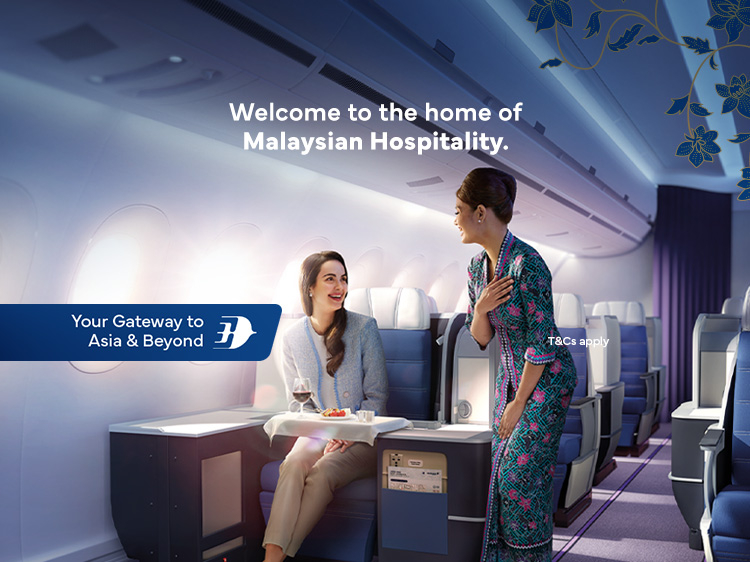
For premium segments, certainty and access create more loyalty than discounts.
Soft, access-based rewards that scale at low marginal cost:
- Early seat access
- Guaranteed availability windows
- Fast-track service
- Proactive support during disruptions
- Dedicated help lines
“The goal is not ‘more points’ but more certainty, access, and personalised service.” - Hemanth Jayaraman
For the top 1–5% of customers who drive disproportionate revenue, recognition outperforms generosity without inflating liability.
4. Behavioural Targeting Over Blanket Incentives
Understanding incrementality means abandoning universal earn rates.
Target customers whose behaviour can actually be changed, in moments when they’re deciding between alternatives, with offers calibrated to their specific value drivers.
Execution note: This requires moving from flat earn rules to dynamic offers triggered by context segmented by trip purpose, channel, and purchase history.
5. Why Personalisation Beats Points Economics
Points programmes require:
- Complex tracking systems
- Redemption catalogues
- Customer service for inquiries
- Marketing to explain rules
- Financial reserves for liabilities
Personalisation requires:
- Data infrastructure
- Recommendation engines
These investments improve with scale and enhance the core product rather than creating parallel economic systems that accumulate debt.
With AI-driven personalisation, relevance is cheaper than funding perpetual discounts while avoiding balance-sheet risk.
Our benchmark data confirms the gap: while 51% of brands prioritise customer support and engagement and 47% invest in analytics, only 66% meaningfully invest in emotional loyalty design. Brands fund measurement but underfund experience.
6. Simplicity as Competitive Advantage
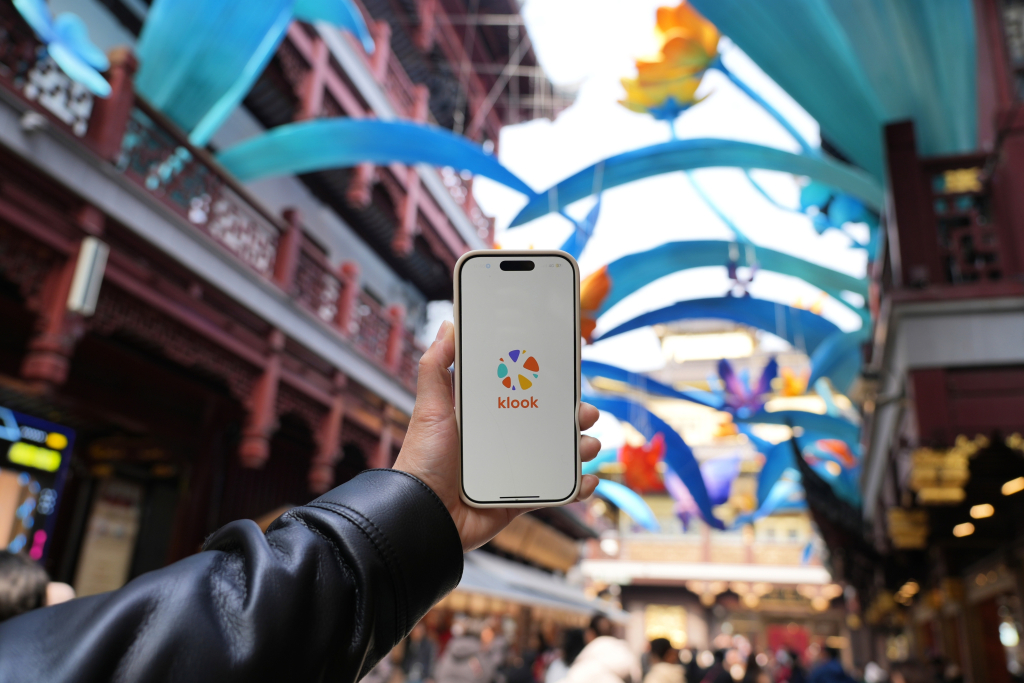
When brands layer experiences onto existing points programmes, costs rise, engagement falls, and ROI collapses. “
Extra features mean more systems to manage, more staff time, more marketing effort. Customers feel overwhelmed, so engagement drops.” - Jeanette Ong
The optimal programme is invisible. Benefits arrive automatically. Experiences feel personalized. Friction disappears.
The Mindset Shift Leadership Avoids
“The hardest barrier is mindset. Technology isn’t the blocker; it scales decisions already made. The real challenge is convincing leadership to treat loyalty as a growth engine, not a cost center.” - Hemanth Jayaraman
Points sit neatly as variable liability. Experiences require upfront investment.
The shift demands moving from “pay-as-you-go” to strategic investment which first requires admitting the current model is broken.
“If frequency is rising, loyalty is working. If it’s not, you’ve built an expensive database not a loyalty engine.” - Hemanth Jayaraman
The Bottom Line
The loyalty programmes struggling today aren’t failing because customers don’t want to be loyal.
They’re failing because the systems were built for a different era; one where points felt exciting, data was scarce, and competition was limited.
What replaces them isn’t a shinier rewards catalogue.
It’s a quieter, more disciplined approach:
- Fewer giveaways
- Better timing
- Stronger habits
- Loyalty designed as a business system, not a marketing tactic
The brands that thrive won’t be those with the most generous points programmes, they’ll be those that make loyalty effortless, valuable, and emotionally resonant through superior understanding of customer behaviour and relentless elimination of friction.
The question isn’t whether to abandon points.
It’s whether to do so strategically and proactively or wait until liability, disengagement, and competitive pressure force a reactive retreat.
That’s how retention stops being a multi-million-dollar disaster and starts becoming a durable source of growth.
Industry insights provided by Jeanette Ong, Associate Director of Marketing at Klook, and Hemanth Jayaraman, Head of Loyalty (Enrich) at Malaysia Airlines.
At Digital Travel APAC, senior travel leaders go deeper into how they’re rebuilding loyalty, margin, and demand without defaulting to discounts or points inflation. Explore the agenda to see the conversations shaping what retention looks like next.